
So I was poking around my wallet last week and hit a dry patch of confusion. My instinct said something felt off about the tx history display. Initially I thought it was my wallet, but then I realized the explorer view was just cluttered in a way that hid useful detail. Longer story short—this nudged me to spend a day deep-diving into Solana explorers and why solscan often wins for me.
Wow! The first thing you notice with Solscan is the speed and clarity. The interface loads fast and the search box behaves predictably, which is reassuring when gas spikes happen. For folks who move fast (guilty as charged), that predictability matters a lot, especially during big drops or when minting new NFTs. On the whole, it’s the small UX choices that add up to fewer mistakes when you’re in a hurry.
Seriously? I said that out loud when I used the token tracker for the first time. The token detail pages are useful without being overwhelming. They give the transaction flow, holders, and a simple price chart all in one glance, though actually wait—there are nuances in the holder breakdown that deserve closer inspection. My instinct told me to double-check suspicious transfers, and Solscan made that fast and straightforward.
Hmm… the NFT tools are where things get interesting for me as a casual collector. The collection pages show traits, floor history, and recent sales in a tidy list that saves time. On one hand, the market data there was enough to decide whether to buy or hold, though actually I cross-check with other aggregators when I plan big purchases. I’m biased toward tools that let me zoom into a single token ID and see the whole provenance chain.
Whoa! I remember a late-night panic when a contract call I made returned an unexpected result. The logs on Solscan helped me trace the exact instruction and the program response, which is a real lifesaver for debugging. Those kinds of deep dives are where an explorer stops being a lookup and starts being a development tool. If you’re doing program audits or just trying to understand why a trade failed, having instruction-level detail is very very important.
Okay, so check this out—there’s a subtle difference between explorers when it comes to RPC latency reporting. Solscan surfaces slot confirmations and cluster status in ways that tell you if you’re seeing a lag versus real consensus finality. That distinction is crucial during airdrops and batch mints, because what looks like a confirmed tx might still be rollable under certain conditions. Initially I underestimated how often network reorgs could affect front-end behavior, but after seeing a few edge cases I pay closer attention now.
Whoa! I also like the way Solscan links program IDs to verified source where available. That linkage makes vetting contracts faster, which matters when a new token launches and everyone asks “is this rug?” The explorer doesn’t make decisions for you, though; it provides context and the signals you need to make a call. And yeah, I’m not 100% sure every verification is perfect, but it’s a solid starting point for analysis.
Here’s the thing. The search and filtering on recent transactions feels made for real users—filters for method names, token mints, and signer addresses cut through noise quickly. In practice that means you can isolate a bot’s behavior or follow an NFT’s custody chain without much wrestling. On the other hand, some advanced analytics still need external tools, particularly for deep on-chain graph analysis, which I admit I sometimes offload to custom scripts (oh, and by the way… those scripts are messy).
Really? You bet—there’s a community angle too. The explorer integrates links to verified marketplaces and metadata endpoints that surface creator royalties and collection rules. That transparency is helpful when you’re deciding whether to support a project or to report suspicious activity. My gut says more projects should standardize metadata, though actually achieving that consistency across ecosystems is hard.
Whoa! Small imperfections: I’ve run into times when a rare token’s metadata cache lagged and the image wouldn’t load. It’s annoying, but the explorer signals cache status so I don’t immediately panic. Those little status flags matter in UX more than you’d expect, because they set expectations for users who are mid-transaction. Somethin’ as small as a “meta loading” note saves a flurry of Ig messages asking “did it go through?”
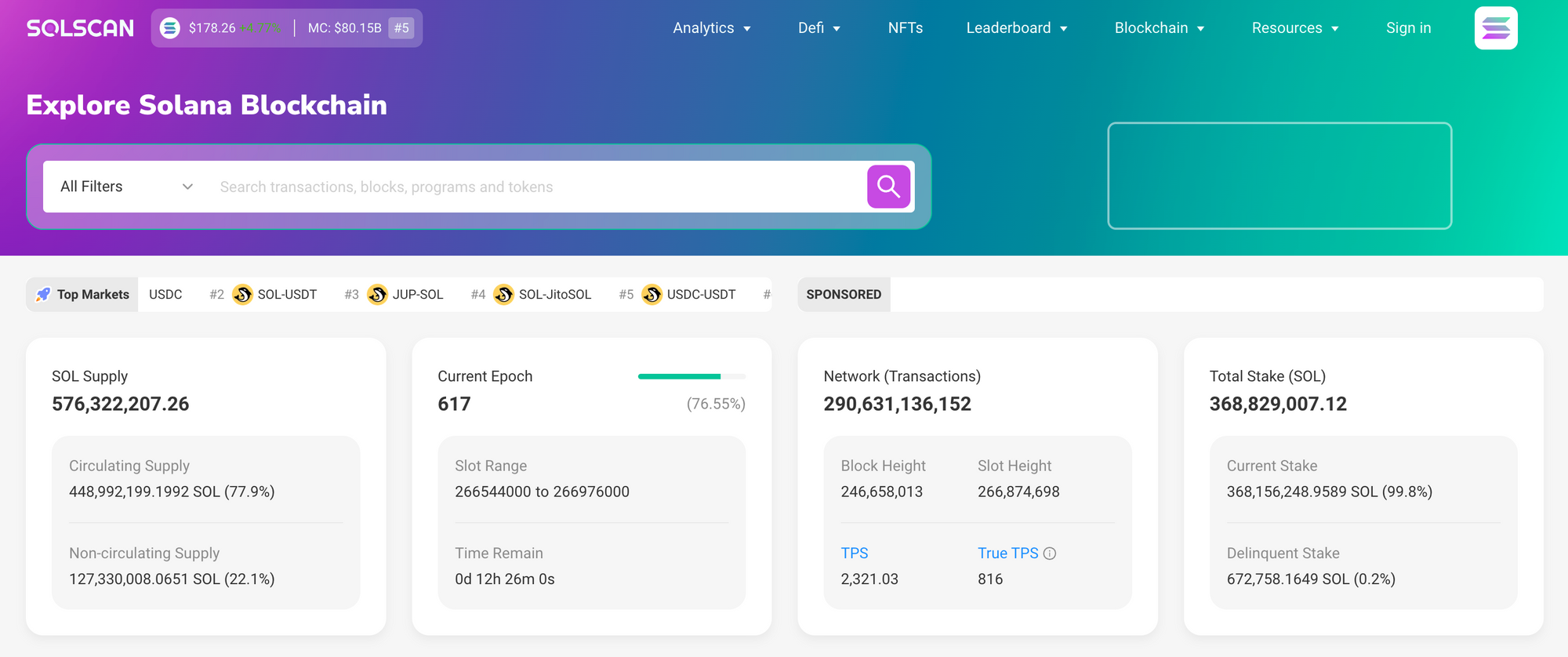
Where Solscan Fits in My Toolbox
I use Solscan as my day-to-day reference and starting point for investigations, and sometimes the sole tool when I need a quick answer. solscan handles the blend of developer-level detail and collector-friendly summaries better than many competitors in my experience. Initially I thought a single explorer would be enough, but then I realized variety of perspectives is important—so I often cross-check with other explorers when stakes are high.
Here’s what bugs me about any single-explorer reliance: label mismatches and inconsistent metadata can mislead you if you don’t verify. That said, Solscan reduces friction and gives actionable context fast, and for people who use Solana frequently it’s a dependable daily driver. I’ll be honest—some features feel like they could be cleaner, but the core tools are polished and they keep improving.
FAQ
How does Solscan compare to other Solana explorers?
Short answer: speed and UI clarity. Longer answer: Solscan balances developer-focused logs and user-focused summaries, which makes it versatile. On one hand, explorers like the default ones give raw access, though actually Solscan layers helpful interpretations on top that save time.
Can I trust the token and NFT data shown?
Mostly yes, but verify for big moves. The explorer pulls on-chain data and surfaces metadata, however metadata endpoints can lag or be incorrect. My recommendation: use Solscan for quick checks, then cross-verify critical details via contract code or marketplace records.

